
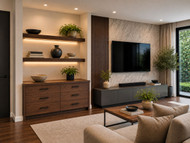
Uplighting vs. Downlighting for Floating Shelves: Which Looks Best?
Posted by Josh Lorg on November 4, 2026
Floating shelves do more than provide storage. They create opportunities to highlight architectural details, display favorite objects, and add warmth to a room. The right lighting can make these features stand out even more, transforming a simple shelf into an eye-catching design element.
When comparing uplighting vs. downlighting for floating shelves, the best option depends on your room's layout, the items you want to display, and the atmosphere you want to create. Uplighting emphasizes walls and architectural features, while downlighting directs attention toward objects and surfaces below the shelf.
Understanding how each lighting direction works can help you choose a solution that balances style, visibility, and everyday functionality.
What Is the Difference Between Uplighting and Downlighting?
Uplighting and downlighting describe the direction light travels from a fixture. Both can enhance floating shelves, but they produce different visual effects.
What Is Uplighting?
Uplighting directs light upward, illuminating the wall or ceiling above a floating shelf. This creates a soft glow that draws attention to the surrounding architecture rather than concentrating light on the shelf's contents.
Uplighting works particularly well in living rooms, bedrooms, and spaces where ambiance matters more than task lighting.
Benefits include:
- Creating a warm, relaxing atmosphere.
- Highlighting textured walls, tile, or decorative finishes.
- Making a room feel more layered and visually interesting.
- Adding subtle accent lighting without overwhelming the space.
For example, a floating shelf in a living room can cast a gentle wash of light across the wall above it, highlighting framed artwork or creating a sophisticated evening atmosphere.
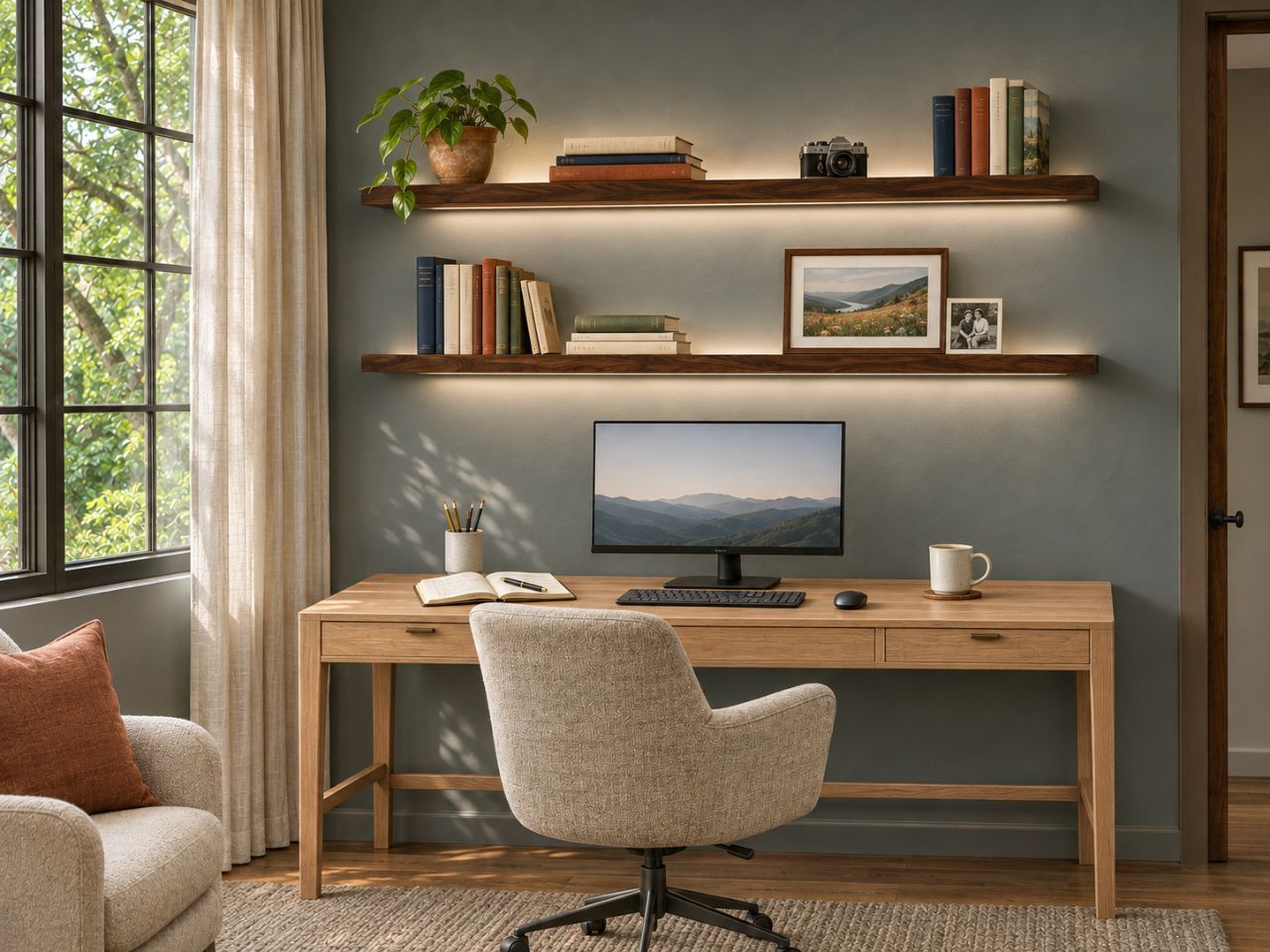
What Is Downlighting?
Downlighting directs light toward the area beneath a shelf. Depending on the installation, it can illuminate a countertop, highlight displayed objects, or create a defined pool of light along a wall.
This approach combines decorative appeal with practical functionality.
Benefits include:
- Improving visibility on countertops and work surfaces.
- Highlighting decorative objects, books, and collectibles.
- Adding useful illumination to kitchens and offices.
- Creating visual separation between shelving and the space below it.
A floating shelf above a kitchen counter, for instance, can provide focused illumination for food preparation while highlighting the materials and finishes beneath it.
Uplighting vs. Downlighting for Floating Shelves: A Side-by-Side Comparison
Use the following comparison to determine which lighting direction best fits your project.
|
Feature |
Uplighting |
Downlighting |
|
Light direction |
Upward toward the wall or ceiling |
Downward toward the area below the shelf |
|
Primary purpose |
Ambiance and architectural emphasis |
Visibility and display illumination |
|
Best locations |
Living rooms, bedrooms, decorative alcoves |
Kitchens, offices, display areas |
|
Overall effect |
Soft, indirect, atmospheric |
Focused, functional, defined |
|
Highlights |
Wall textures, artwork, ceiling details |
Countertops, objects, backsplashes |
|
Best for task lighting |
Generally less suitable |
More suitable when properly positioned |
|
Design style |
Subtle, relaxed, dramatic |
Practical, contemporary, purposeful |
Neither option is universally better. The right choice depends on whether you want your floating shelves to create atmosphere, improve visibility, or accomplish both.
When Does Uplighting Look Best on Floating Shelves?
Uplighting is an excellent choice when you want floating shelves to contribute to the overall mood of a room.
Highlighting Living Room Walls
Solid wood floating shelves can become architectural focal points when paired with upward-facing illumination. The light emphasizes the wood's natural grain while creating a gentle glow against the wall.
This approach works especially well with walnut, white oak, and other wood finishes that bring warmth and texture to a space.
Consider uplighting when displaying decorative pottery, framed photographs, or carefully arranged accessories. The indirect glow adds depth without making the display feel overly bright.
Creating a Statement in Alcoves
Alcove floating shelves offer a natural opportunity for layered lighting. Because the shelves sit within a recessed wall, upward-facing light can emphasize the alcove's height and make the entire installation feel more intentional.
For a balanced design:
- Use consistent spacing between shelves.
- Choose a light temperature that complements the wood finish.
- Keep decorative objects from obstructing the light.
- Consider dimming the lights to adjust the atmosphere throughout the day.
Uplighting is particularly effective when the goal is to turn an otherwise overlooked recess into a distinctive architectural feature.
When Is Downlighting the Better Choice?
Downlighting is often the better option when floating shelves need to serve a practical purpose as well as a decorative one.
Illuminating Kitchen Countertops
Floating shelves are popular alternatives to upper cabinets in modern kitchens. Integrated lighting beneath these shelves can illuminate the countertop, making food preparation and everyday kitchen activities easier.
Downlighting directs light toward the work surface, helping improve visibility and reduce shadows in the area below the shelves.
For the best results, consider the shelf's depth, the distance between the shelf and countertop, and the location of nearby lighting fixtures. Proper positioning helps distribute light more evenly and creates a comfortable, functional workspace.
Highlighting Decorative Displays
Downlighting is also an effective option for floating shelves displaying books, artwork, collectibles, and decorative accessories. Directing light toward the objects below the shelf helps draw attention to their details while creating a defined display area.
This approach works particularly well in living rooms, bedrooms, offices, and display alcoves where you want decorative items to stand out.
For decorative displays, choose a softer light level. For work surfaces, prioritize sufficient illumination without creating harsh glare.
Can You Combine Uplighting and Downlighting?
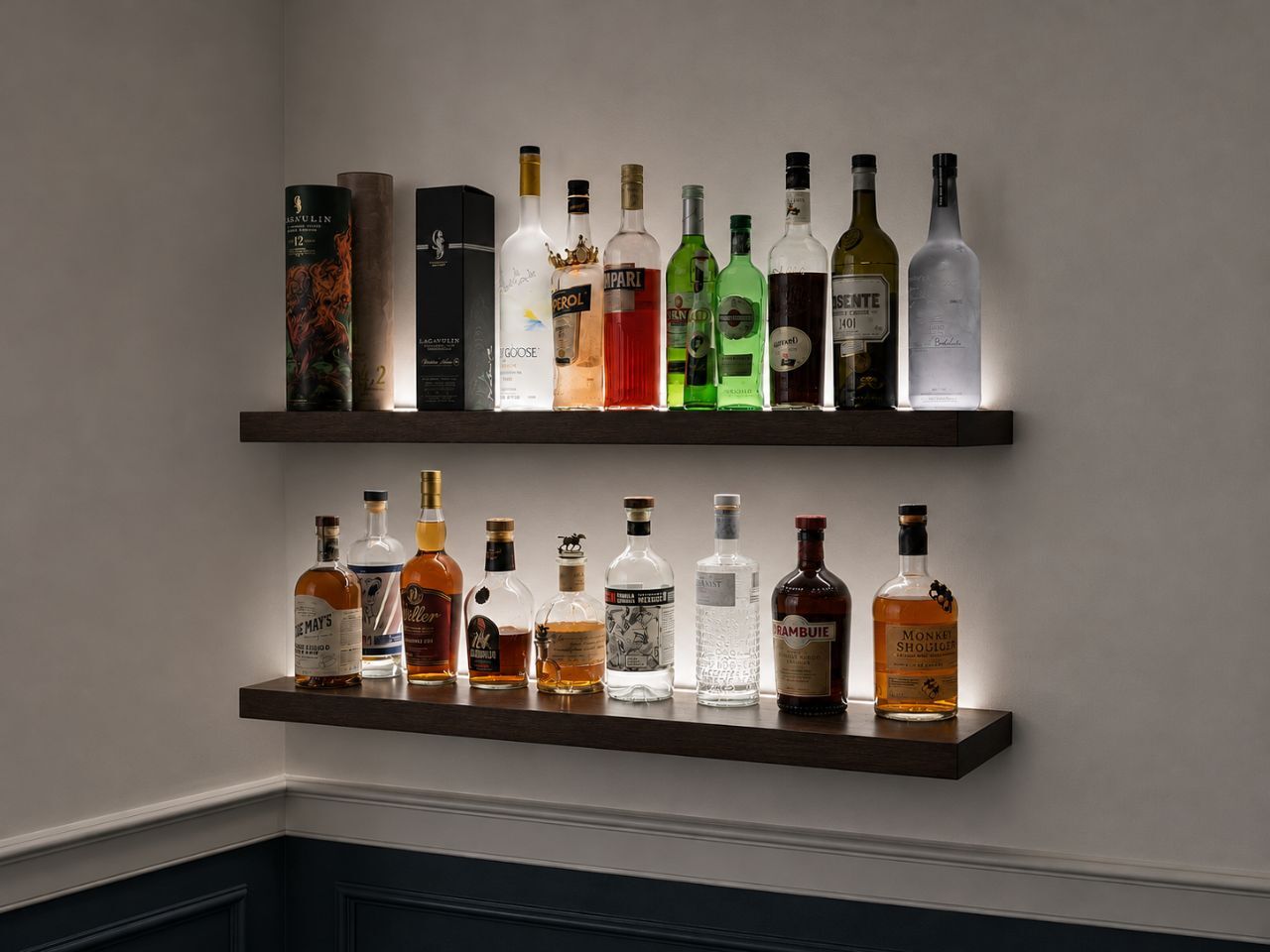
Absolutely. Combining both lighting directions can create a layered effect that offers visual interest and practical benefits.
For example, a set of illuminated floating shelves in a living room might use uplighting to emphasize the wall while downlighting highlights books and decorative objects below.
In an alcove, upward-facing light can draw the eye toward the upper wall, while downward-facing light illuminates each display area.
When combining lighting directions, keep these considerations in mind:
- Choose compatible color temperatures. Mixing noticeably different shades of white can make the installation feel inconsistent.
- Control brightness independently when possible. Separate dimming controls let you adjust ambient and functional lighting to suit different activities.
- Avoid excessive illumination. Too many bright light sources can create glare and distract from the shelves themselves.
- Plan wiring early. Integrated lighting is easier to incorporate when electrical access and cable routing are considered during the initial design.
The goal is to create a cohesive lighting scheme rather than simply adding more light.
How to Choose the Right Lighting for Your Floating Shelves
Before selecting an illuminated shelf or planning a lighting installation, evaluate the following factors.
1. Identify the Main Purpose
Decide whether the lighting will primarily create ambiance, highlight decorative objects, or illuminate a working surface. This is the most important factor when choosing between uplighting and downlighting.
2. Consider Shelf Placement
A shelf above a kitchen counter has different lighting requirements from one mounted high on a living room wall. Consider the surrounding furniture, ceiling height, wall finish, and viewing angles.
3. Match the Lighting to Your Space
Consider the overall look and function of the room when choosing lighting for your floating shelves. Softer illumination can create a subtle accent, while brighter lighting can make displayed objects and nearby surfaces easier to see.
Think about how the shelves will be used, what you plan to display, and how the lighting will complement the surrounding wood finishes and décor. The goal is to create a balanced look that enhances both the shelves and the room.
4. Plan the Installation
Integrated LED floating shelves can create a streamlined appearance by concealing the light source within the shelf design.
When choosing between hardwired and battery-powered lighting, consider your electrical access, installation preferences, and desired appearance. Hardwired shelf lighting requires a compatible LED driver to power the lighting system, along with the appropriate wiring and electrical connections. An electrician is recommended to handle hardwired installations and ensure proper setup.
Concealed wiring can help maintain a clean, finished appearance without visible cords or unnecessary distractions.
Confirm compatibility between the lighting components and the shelf before installation. For hardwired configurations, consult a qualified electrician to ensure the system meets applicable electrical requirements.
Which Looks Best for Floating Shelves?
Choosing between uplighting vs. downlighting for floating shelves comes down to your design goals. Uplighting is ideal for creating ambiance, highlighting architectural details, and adding warmth to living spaces. Downlighting is better suited to illuminating countertops, showcasing decorative objects, and improving visibility in functional areas such as kitchens and offices.
For a more layered result, consider combining both directions with compatible lighting components and adjustable brightness.
The best floating shelf lighting complements the shelf's material, enhances the surrounding room, and serves a clear purpose. Explore custom floating shelves and alcove floating shelf designs to find a solution that fits your space, then plan the lighting around the look and functionality you want to achieve.
Looking to add custom floating shelves to your home or new build? Contact us today to get started!