
Alcove Floating Shelves vs. Traditional Floating Shelves: What's the Difference?
Posted by Josh Lorg on October 26, 2026
Choosing the right shelving can transform an ordinary wall into a functional, attractive feature. However, not all floating shelves are designed for the same spaces. When comparing alcove floating shelves vs. traditional floating shelves, the biggest differences involve placement, available space, installation, and design flexibility.
Alcove shelves are designed to fit within recessed areas or wall niches, making them ideal for awkward spaces that might otherwise go unused. Traditional floating shelves attach directly to a flat wall, offering greater flexibility for open displays, storage, and decorative arrangements.
Understanding how these two options compare can help you choose shelving that complements your home's layout while providing the functionality you need.
What Are Alcove Floating Shelves?
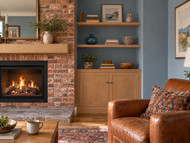
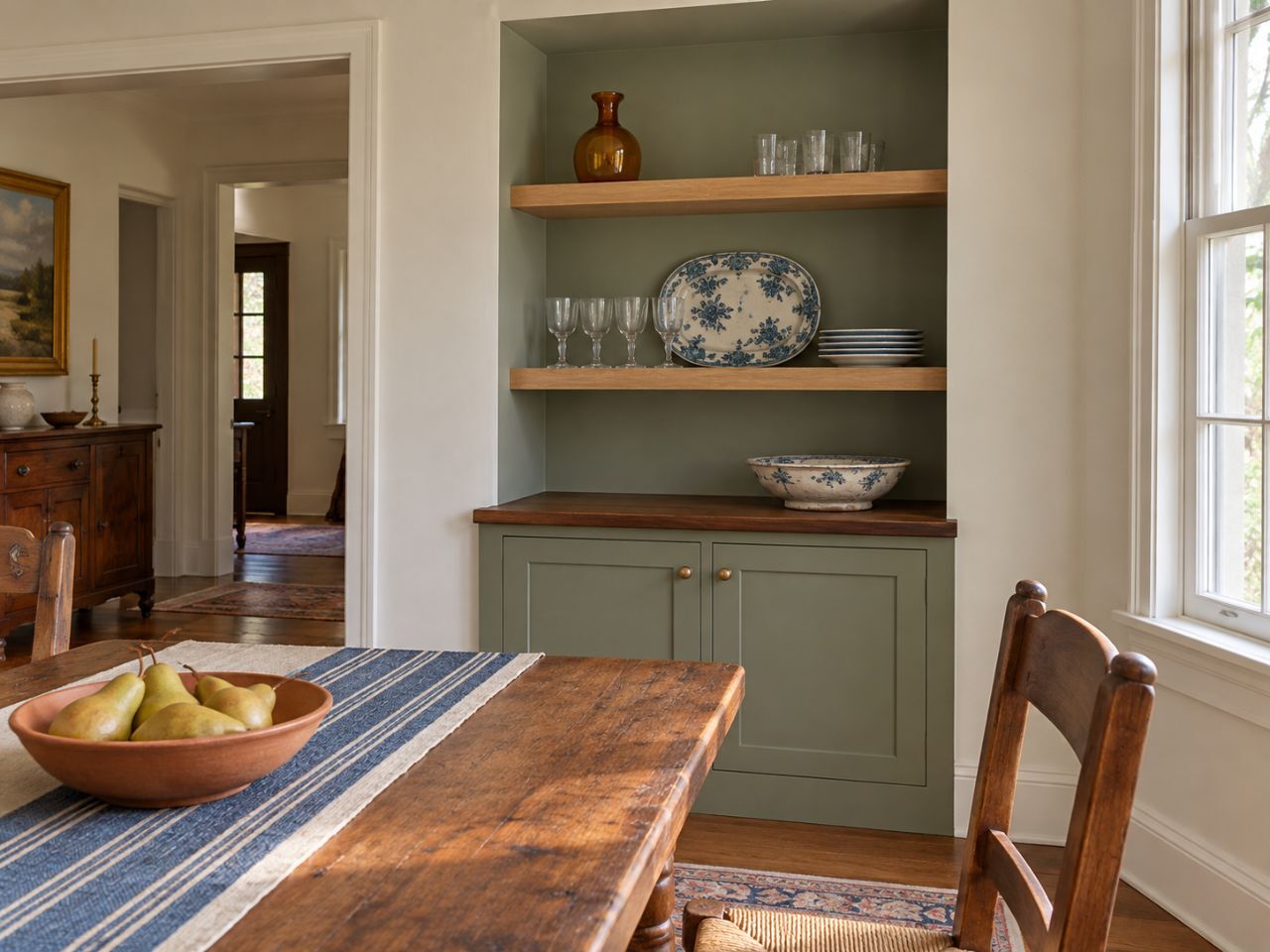
Alcove floating shelves are designed to fit inside recessed wall spaces, such as the area between two built-in columns, the sides of a fireplace, or a niche in a living room or dining area.
Because these shelves sit within an existing architectural opening, they can create a clean, integrated appearance without requiring a full built-in cabinet installation.
Benefits of Custom Alcove Shelves
Custom alcove shelves offer several advantages:
- Efficient use of space: Turn narrow recesses and unused wall openings into practical storage or display areas.
- A tailored fit: Custom dimensions help accommodate the width and depth of an alcove.
- A streamlined appearance: Floating shelf hardware remains concealed, creating a clean look.
- Design flexibility: Choose wood species, finishes, shelf thicknesses, and spacing to complement surrounding materials.
- Versatile functionality: Display books, artwork, decorative objects, glassware, or wine bottles.
For example, a series of white oak shelves inside a dining room alcove can create a warm display area for glassware and serving pieces. In a home bar, custom shelves can organize wine accessories while keeping the overall design open and uncluttered.
What Are Traditional Floating Shelves?
Traditional floating shelves are wall-mounted shelves that appear to extend directly from a wall without visible brackets. Concealed mounting hardware supports the shelf while maintaining its minimalist appearance.
Unlike alcove shelving, traditional floating shelves do not need to fit inside a recessed opening. They can be installed on suitable flat walls throughout a home, provided the wall construction and mounting system can support the intended load.
Benefits of Traditional Floating Shelves
Traditional floating shelves are popular because they offer:
- Flexible placement: Install them above countertops, beside fireplaces, in hallways, or along empty walls.
- Adaptable layouts: Arrange shelves individually or create symmetrical rows.
- Minimal visual clutter: Concealed brackets preserve an open, contemporary appearance.
- Decorative versatility: Combine functional storage with artwork, plants, books, or collectibles.
- Easy design coordination: Select wood tones and finishes that complement furniture, cabinetry, and flooring.
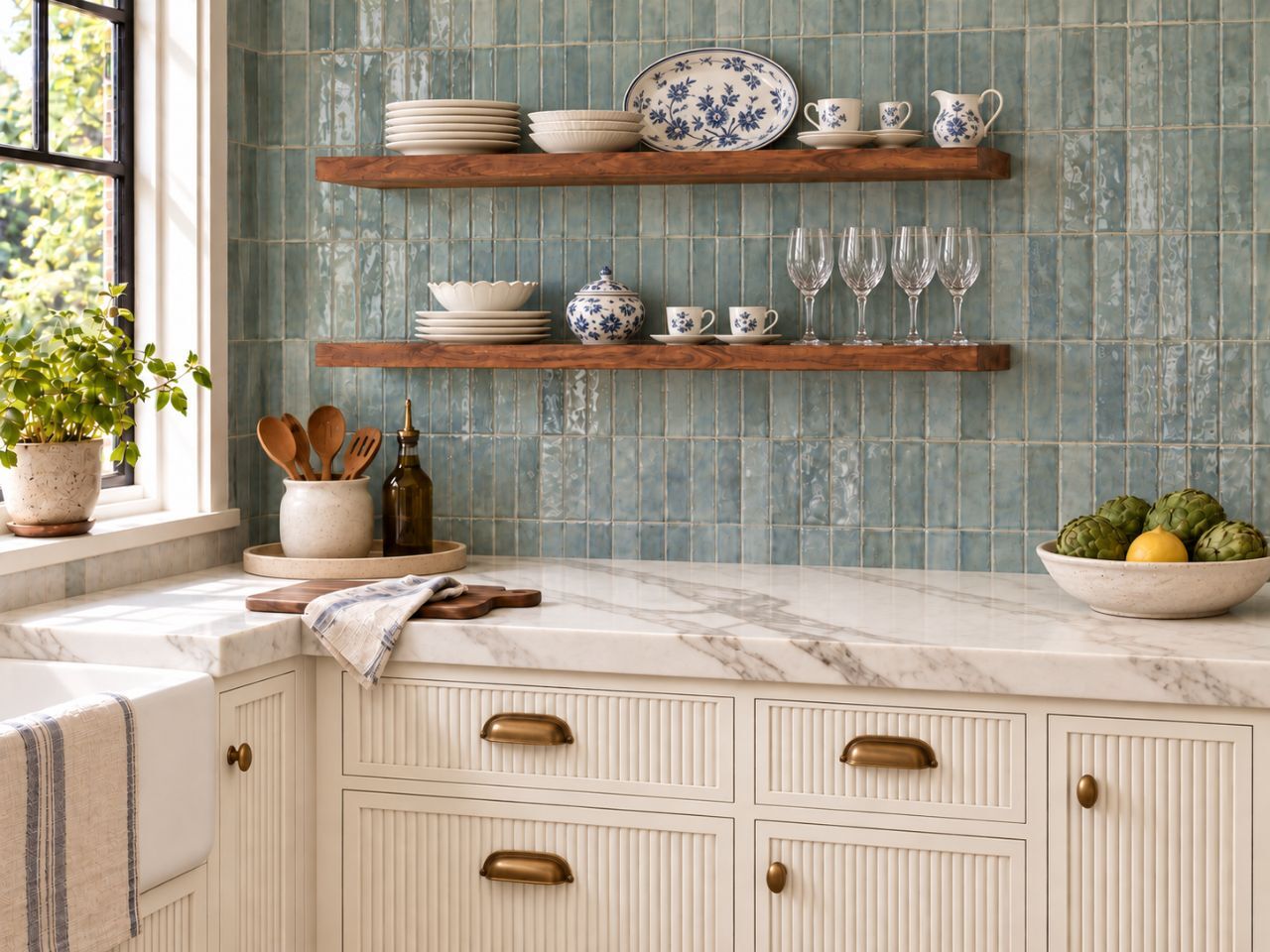
Traditional floating shelves also work well in home bars and kitchens. For example, a pair of walnut floating wine shelves can create a dedicated bottle display above a serving counter without requiring a recessed wall opening.
Alcove Floating Shelves vs. Traditional Floating Shelves: Key Differences
Although both styles offer concealed hardware and a clean appearance, their ideal applications differ.
|
Feature |
Alcove Floating Shelves |
Traditional Floating Shelves |
|
Placement |
Inside a recessed wall space or niche |
Directly on a flat wall |
|
Best use |
Making use of existing alcoves |
Adding storage to open wall areas |
|
Fit |
Often benefits from custom dimensions |
Available in standard and custom sizes |
|
Design appearance |
Integrated with the surrounding architecture |
Creates a distinct wall-mounted feature |
|
Space efficiency |
Uses otherwise underutilized recesses |
Uses available wall space without requiring a recess |
|
Installation |
Requires accurate alcove measurements and suitable mounting surfaces |
Requires appropriate wall measurements and secure mounting |
|
Common applications |
Fireplace niches, dining room recesses, built-in-style displays |
Kitchens, living rooms, home bars, offices, and bedrooms |
|
Layout flexibility |
Limited by the dimensions of the alcove |
Can be arranged across a wider range of wall configurations |
The best option depends on your room's existing structure, intended use, and preferred appearance.
Which Shelving Option Is Best for Your Space?
Choosing between alcove and traditional floating shelves becomes easier when you consider how the shelves will function in your home.
Choose Alcove Floating Shelves for Recessed Spaces
Custom alcove shelves are a strong choice when your room already has a recessed area that needs a purpose.
Consider them for:
- Empty spaces beside fireplaces
- Recessed dining room walls
- Existing architectural niches
- Built-in-style book and accessory displays
- Compact home bars or wine displays
Accurate measurements are especially important. Measure the width at multiple points, since older homes and finished walls may not be perfectly square. Also check the depth and height available for each shelf.
If the alcove will hold wine bottles or other heavier items, confirm that the mounting system, wall structure, and shelf specifications are appropriate for the expected load.
Choose Traditional Floating Shelves for Open Walls
Traditional floating shelves are ideal when you want to add storage or create a decorative feature without being limited by a recessed opening.
They work particularly well above kitchen counters, along living room walls, beside entertainment centers, and in home bars.
For wine storage, the shelf design should match the intended use. A decorative shelf for displaying wine glasses has different requirements from a rack intended to support multiple bottles securely. Check the product's stated capacity, dimensions, and installation requirements before purchasing.
Traditional shelves also allow you to experiment with different arrangements. A single thick wood shelf can create a bold focal point, while several narrower shelves can provide a lighter, more flexible display.
Materials, Finishes, and Lighting Considerations
Both shelving styles can be customized to complement your interior design.
Solid wood shelves bring natural texture and warmth to a space. White oak offers a versatile grain pattern, while walnut creates a deeper, richer appearance. Maple, alder, and other wood species provide additional options depending on the desired color and character.
Consider these design details before making your selection:
- Shelf thickness: Thicker shelves create a substantial architectural look, while thinner profiles feel more understated.
- Wood finish: Coordinate the finish with nearby cabinetry, flooring, furniture, or trim.
- Shelf spacing: Leave enough clearance for the objects you plan to display.
- Lighting: Recessed lighting, nearby sconces, or integrated shelf lighting can highlight decorative objects and improve visibility.
- Mounting requirements: Confirm that the wall construction and concealed hardware are suitable for the shelf dimensions and intended load.
Lighting deserves special attention in alcoves, where surrounding walls can create shadows. Thoughtful illumination can turn a recessed display into an attractive focal point. Traditional floating shelves can also benefit from lighting, particularly when installed in a home bar or entertainment area.
Are Custom Alcove Shelves Worth It?
Custom alcove shelves can be worthwhile when standard dimensions leave awkward gaps or fail to use the available space effectively. A made-to-measure shelf can create a more cohesive appearance while accommodating unusual wall widths or depths.
Traditional custom floating shelves offer similar advantages on open walls. They allow you to select dimensions, wood species, and finishes that suit your project instead of compromising with an off-the-shelf option.
Before ordering either style, establish the intended purpose, measure the installation area carefully, and determine what the shelves need to support. These steps help prevent sizing issues and ensure that the final installation meets your expectations.
Find the Right Floating Shelves for Your Home
When comparing alcove floating shelves vs. traditional floating shelves, the main difference is where each style works best. Alcove shelves maximize recessed spaces and create an integrated appearance, while traditional floating shelves provide greater placement flexibility on open walls.
Both options can deliver attractive storage, concealed mounting hardware, and a personalized finish when selected for the right application.
Ready to upgrade your space? Explore custom alcove shelves, traditional floating shelves, and floating wine shelves to find a design that complements your home, fits your available space, and meets your storage needs. Choose the right dimensions, materials, and finish to create a shelving solution that looks intentional and performs beautifully for years to come.
Looking to add alcove floating shelves to your home or new build? Contact us today to get started!