
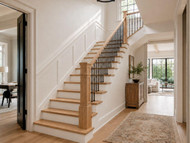
How Builders Select High-Quality Stair Parts for Luxury Homes
Posted by Josh Lorg on August 25, 2026
In a luxury home, the staircase is more than a way to move between floors. It is often one of the first architectural features guests notice. That is why experienced builders take a careful approach when selecting high-quality stair parts. Materials, construction, dimensions, finish, and overall design must work together to create a staircase that looks exceptional and performs reliably for years.
From traditional hardwood staircases to contemporary floating designs, choosing the right stair components can make the difference between an ordinary installation and a true architectural centerpiece.
What Builders Look for in High-Quality Stair Parts
Builders working on high-end homes typically evaluate several factors before selecting stair components. Price is important, but it is rarely the only consideration.
1. Quality Hardwood Construction
Material selection is one of the most important decisions when choosing luxury home stair parts. Solid hardwood provides natural character, durability, and a premium appearance that complements other architectural details throughout the home.
Popular choices include:
- White oak for its versatile grain and timeless appearance
- Walnut for rich color and distinctive character
- Maple for its smooth grain and lighter appearance
- Red oak for traditional and transitional interiors
High-quality hardwood stair treads should have consistent construction and carefully finished surfaces. When the staircase is visible from multiple rooms, the natural grain and finish become an important part of the home's overall design.
Custom Stair Parts for Luxury Home Designs
Luxury homes rarely follow a one-size-fits-all approach. Builders often work from architectural plans with specific dimensions, materials, and design requirements. Custom stair parts make it easier to achieve a precise fit while maintaining the intended appearance.
Custom components can be especially useful when a project requires specific:
- Tread dimensions
- Stair tread thickness
- Wood species
- Finish colors
- Stair return details
- Riser dimensions
- Trim and millwork profiles
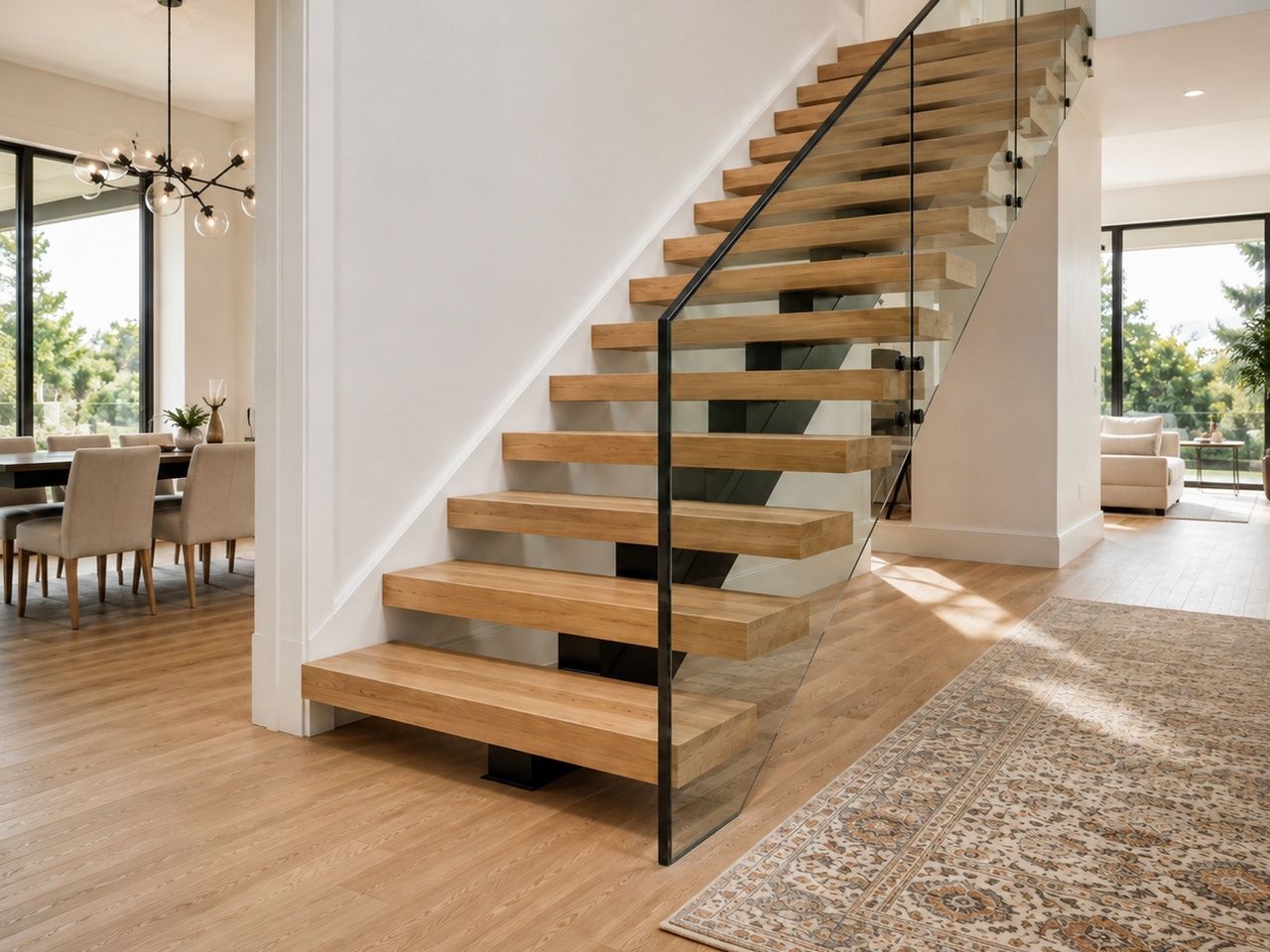
For example, custom floating stair treads can provide a substantial visual presence in an open-riser staircase while allowing the builder to coordinate the wood with flooring, cabinetry, doors, or other architectural elements.
Choosing the Right Stair Treads
Stair treads receive constant foot traffic, making durability and construction especially important. Builders need to consider both performance and aesthetics when selecting high-quality stair parts.
Traditional staircases may call for standard hardwood treads, while modern homes may benefit from floating stair treads with thicker profiles.
For contemporary floating staircase designs, options such as 1.625-inch, 3.5-inch, and 4-inch thick solid wood treads can create very different visual effects. Thicker treads can provide a substantial, architectural appearance that works particularly well with open-riser and cantilevered designs.
The correct choice ultimately depends on the structural system, architectural design, dimensions, and applicable building requirements. Builders should coordinate tread specifications with the project's structural professionals and installation requirements.
Consider the Staircase as a Complete System
A premium staircase is not simply a collection of individual parts. Treads, risers, returns, trim, and supporting structures should work together.
For floating staircases, concealed brackets, steel stringers, wall reinforcement, and other structural components may support the treads. The wood tread itself becomes the visible finish layer that completes the design.
This makes accurate measurements and coordination particularly important before ordering materials.
Don't Overlook Stair Risers and Returns
Stair risers can have a major effect on the finished appearance of a staircase. A clean, consistent riser helps create the polished appearance expected in luxury construction.
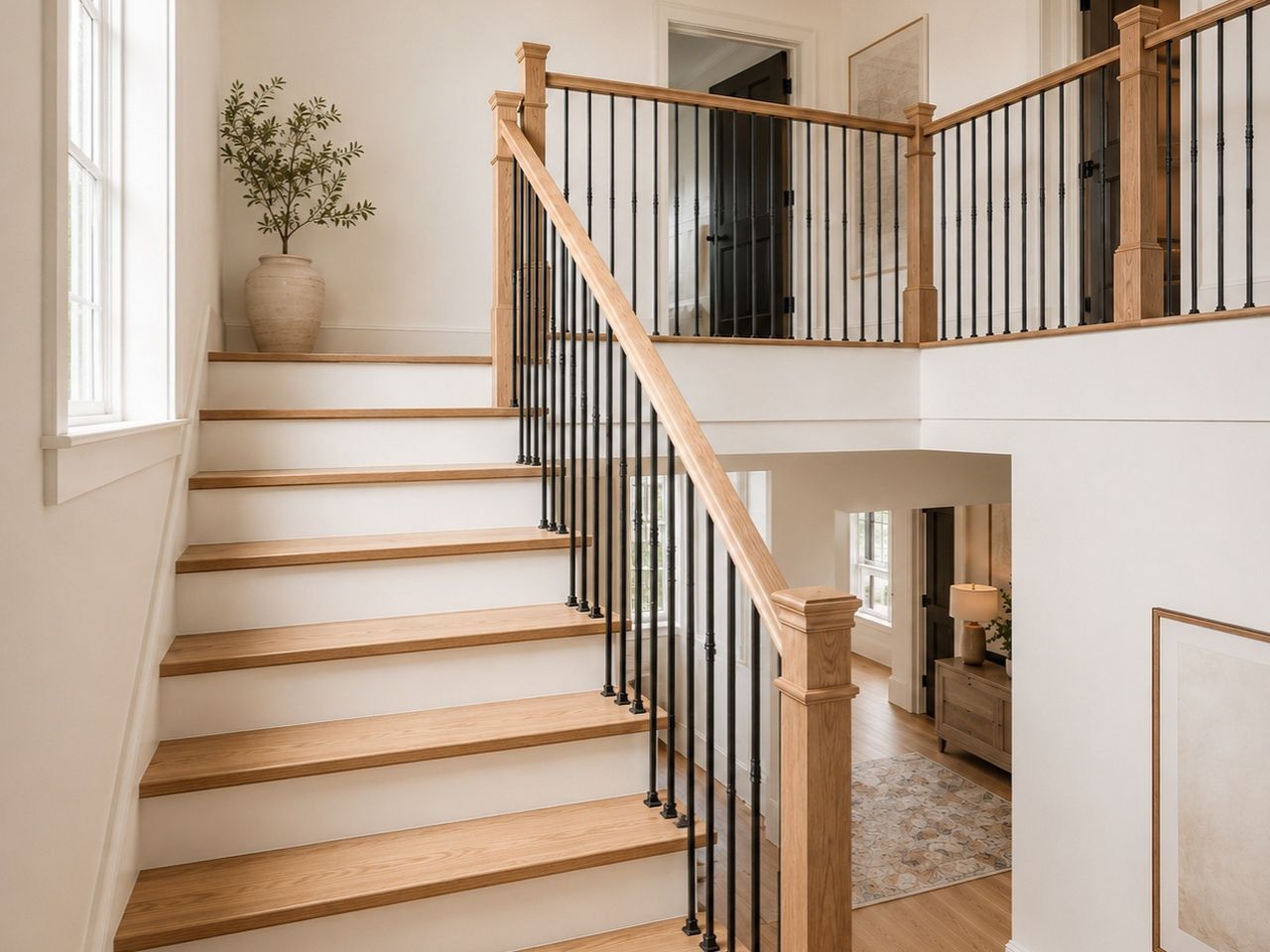
For example, solid White Oak stair risers can coordinate with matching hardwood treads for a cohesive staircase design. Precision-milled risers can also help create consistent dimensions across the entire installation.
Stair returns are another detail builders consider when stairs have exposed sides. A properly matched return can give an open-sided staircase a more finished appearance while tying the exposed tread edge into the overall design.
These details may seem small, but they can have a significant impact on the finished project.
Finish Matters in Luxury Staircase Design
The finish is another important consideration when selecting premium stair components. Builders often want the staircase to coordinate with surrounding hardwood floors, cabinetry, trim, doors, and other wood features.
Homeowners may choose unfinished stair parts when they want a custom stain applied on-site. Prefinished options can provide a more consistent appearance while reducing finishing work during installation.
When selecting a finish, consider the home's existing palette as well as how natural and artificial lighting will affect the appearance of the wood.
Precision and Consistency Are Essential
Luxury construction demands attention to detail. Even high-quality materials can produce disappointing results if dimensions are inconsistent or components do not coordinate properly.
Builders should verify:
- Exact stair opening dimensions
- Required tread depth and width
- Tread thickness
- Riser dimensions
- Exposed tread ends
- Finish requirements
- Structural support requirements
- Local building code requirements
Taking these measurements before ordering can help prevent expensive modifications and installation delays.
Why Customization Adds Value
One of the biggest advantages of custom stair parts is the ability to design around the home rather than forcing the home to accommodate standard components.
A luxury staircase might combine substantial white oak floating treads with matching risers and trim. Another project may use walnut treads to create contrast against light-colored flooring and walls.
The goal is not simply to make the staircase more expensive. It is to make the staircase feel intentional.
Build a Staircase That Complements the Home
The best builders understand that premium staircases are defined by more than the individual components. High-quality stair parts should provide the combination of durability, precise sizing, attractive materials, and design flexibility needed for a successful installation.
Whether the project calls for traditional hardwood treads, custom stair risers, stair returns, or substantial floating stair treads, selecting components that match the home's architecture can elevate the entire interior.
For homeowners planning a luxury renovation or new construction project, work with your builder or contractor early in the design process to determine the appropriate stair parts, dimensions, materials, finishes, and structural requirements. Choosing the right components from the beginning can help create a staircase that delivers lasting beauty and performance.
Looking to add custom floating stair treads to your home? Get started today!