
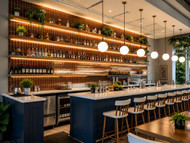
How Restaurants Are Using Floating Shelves to Replace Back Bar Millwork in 2026
Posted by Josh Lorg on May 7, 2026
Restaurant design trends continue to evolve in 2026, and one of the biggest shifts happening behind the bar is the move away from bulky built-in cabinetry and expensive custom millwork. More owners, designers, and contractors are now choosing floating shelves for restaurants as a smarter and more flexible solution for back bar displays.
Floating shelves create a cleaner look, reduce construction costs, speed up installations, and give bars a more open and upscale appearance. Whether building a new concept or renovating an existing space, replacing traditional back bar millwork with floating shelves has become one of the most practical upgrades in hospitality design.
Why Traditional Back Bar Millwork Is Losing Popularity
For years, custom millwork was the standard for back bars. While attractive, it often comes with major downsides that matter to restaurant owners focused on timelines and budgets.
Common issues with traditional millwork include:
- High fabrication and labor costs
- Long lead times for custom production
- Difficult on-site installation
- Heavy visual appearance in smaller spaces
- Limited flexibility for future redesigns
- Costly repairs when damaged
In 2026, operators want more adaptable interiors that can evolve with trends. Floating shelves solve many of these problems while still delivering a premium look.
How Floating Shelves Improve Restaurant Bar Design
1. Open and Modern Appearance
One reason floating shelves are replacing millwork is aesthetics. Open shelving makes the back bar feel larger, brighter, and less crowded. This is especially valuable in restaurants where every square foot matters.
Instead of a wall of cabinetry, floating shelves showcase bottles, glassware, décor, and lighting in a more intentional way.
2. Faster Installation Timelines
Construction delays cost money. Traditional built-ins often require multiple trades, custom measurements, finishing work, and adjustments.
Floating shelves can simplify the process by reducing installation complexity. Contractors appreciate systems that mount cleanly and efficiently, helping projects stay on schedule.
3. Lower Overall Costs
Many owners are comparing millwork bids and looking for ways to reduce upfront expenses without sacrificing appearance. Floating shelves can often lower material and labor costs while still creating a custom feel.
For new restaurants, that savings can be redirected toward kitchen equipment, seating, or marketing.
Why Contractors Prefer Commercial Floating Shelves
Contractors working in hospitality spaces need products that are dependable, easy to install, and visually strong.
Key advantages include:
- Cleaner wall layouts
- Fewer bulky components
- Easier coordination with electricians and plumbers
- Simpler leveling and placement
- Faster final punch lists
When schedules are tight, efficient materials matter.
Best Materials for Back Bar Floating Shelves
Not all shelving is equal in commercial spaces. Restaurants need shelves that handle daily use, weight loads, and constant cleaning.
Popular options in 2026 include:
Solid Wood Shelves
Warm wood tones are trending strongly in restaurant interiors. Natural wood adds texture and sophistication while softening metal and tile finishes.
Thick Profile Shelves
Heavier shelf profiles create a premium custom-built appearance that mimics expensive millwork without the same footprint.
Durable Protective Finishes
Restaurants need finishes that resist moisture, stains, and wear from busy service environments.
Design Ideas Restaurants Are Using Right Now
Modern operators are using floating shelves in creative ways beyond simple storage.
Layered Bottle Displays
Multiple shelf rows create dramatic visual merchandising behind the bar.
Integrated Accent Lighting
LED lighting under shelves highlights bottles and adds ambiance during evening service.
Mixed Materials
Wood shelves paired with tile, brick, stone, or metal backsplashes create a custom designer look.
Seasonal Styling Flexibility
Unlike fixed cabinetry, open shelves can be refreshed with new displays, branding pieces, or décor throughout the year.
What Owners Should Consider Before Replacing Millwork
Before choosing a back bar shelving system, restaurant owners should think about:
- Required weight capacity
- Shelf depth for bottles and glassware
- Moisture resistance
- Easy cleaning surfaces
- Installation wall type
- Lighting integration options
- Overall brand style
The right shelving system should balance function, durability, and visual impact.
The 2026 Outlook for Restaurant Interiors
Restaurant spaces are becoming more intentional, more flexible, and more cost-conscious. Operators want premium design choices that also make financial sense. That is why floating shelves for restaurants are quickly becoming a preferred replacement for traditional back bar millwork.
For owners and contractors planning a remodel or new build, floating shelves offer a modern solution that improves aesthetics, saves time, and supports long-term adaptability. In 2026, smart restaurant design is not just about how a space looks. It is about how efficiently it performs. Looking to add floating shelves to your restaurant? Contact us today to get started!