

Custom Alcove Shelves vs. Built-In Cabinets: Which Is Right for Your Home?
Posted by Josh Lorg on November 9, 2026
An unused alcove can become one of the most attractive and functional features in your home. Whether you have recessed wall space beside a fireplace, an awkward living room nook, or a bedroom alcove that needs better storage, choosing the right solution can make a significant difference. Two popular options are custom alcove shelves and built-in cabinets, but each offers distinct advantages.
When comparing custom alcove shelves vs. built-in cabinets, consider how you want to use the space, how much storage you need, and the overall look you want to achieve. Shelves create an open, decorative display, while cabinets provide concealed storage and a more enclosed appearance. Understanding these differences will help you choose a solution that balances style, function, and long-term value.
What Are Custom Alcove Shelves?
Custom alcove shelves are designed to fit the width, depth, and height of a specific recessed or recessed-looking wall space. Unlike standard shelving, custom shelves can accommodate unusual dimensions and architectural details.
Floating alcove shelves are particularly popular because their concealed mounting hardware creates a clean appearance without visible brackets. They work well in both traditional and contemporary interiors.
Benefits of Custom Alcove Shelving
Custom alcove shelves offer several advantages:
- Space efficiency: Shelves can be sized to fit narrow or unusually shaped alcoves.
- Visual openness: Open shelving helps a room feel less crowded than a solid wall of cabinetry.
- Decorative flexibility: Display books, artwork, framed photographs, plants, collectibles, and other personal items.
- Material customization: Choose wood species, dimensions, and finishes that complement your existing interior.
- Flexible layouts: Adjust shelf spacing to accommodate items of different heights.
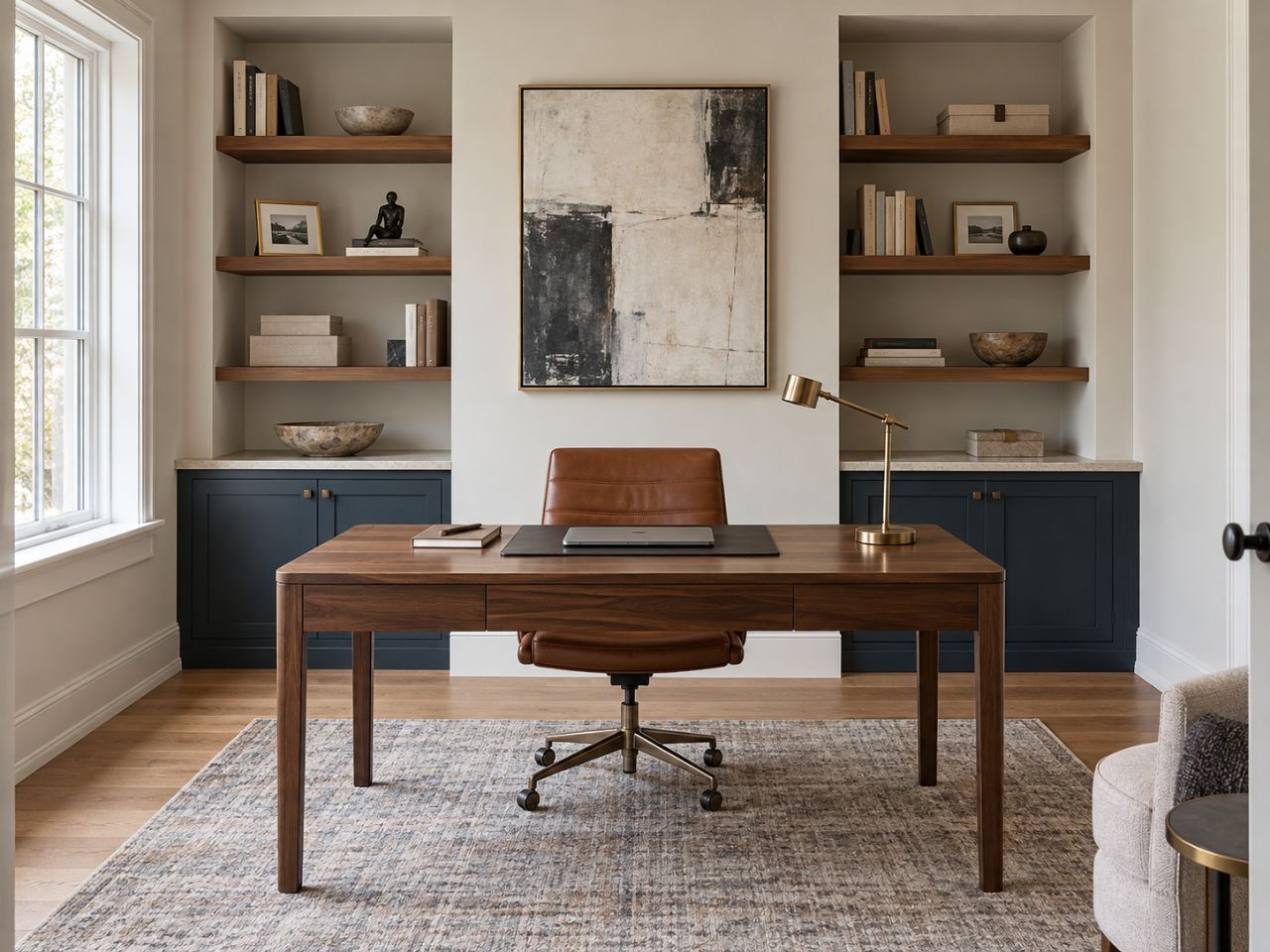
For example, floating wood shelves on either side of a fireplace can create a balanced architectural feature. In a home office, custom shelving can turn a narrow alcove into a practical display and book storage area without adding bulky furniture.
The main consideration is that open shelves leave their contents visible. Items need to be organized, and shelves may require more frequent dusting than enclosed cabinets.
What Are Built-In Cabinets?
Built-in cabinets are storage units installed directly into a wall recess or designed to fit an existing alcove. They can include doors, drawers, adjustable shelves, and other organizational features.
Because cabinets conceal their contents, they are useful when an area needs to remain tidy without requiring everything to be arranged for display.
Benefits of Built-In Cabinets
Built-in cabinets are a strong choice for homeowners who prioritize enclosed storage.
- Concealed clutter: Store paperwork, electronics, toys, linens, and everyday household items behind doors.
- Organized storage: Drawers and adjustable shelves help separate belongings.
- Custom fit: Cabinet dimensions can be tailored to the available space.
- Integrated appearance: Matching cabinetry to nearby trim or furniture can create a cohesive interior.
- Additional functionality: Cabinets can incorporate a countertop, work surface, or combination of open and enclosed storage.
For instance, cabinets in a family room can hide gaming equipment, cables, and children's toys. In a bedroom, built-in cabinets can provide storage for clothing and accessories while making use of an otherwise underutilized wall recess.
However, cabinets generally have more components than open shelving, including doors, hinges, drawer hardware, and cabinet frames. Depending on their construction and installation, they can also require a larger investment.
Custom Alcove Shelves vs. Built-In Cabinets: Key Differences
The best choice depends on the balance between display space, concealed storage, cost, and design preferences.
|
Feature |
Custom Alcove Shelves |
Built-In Cabinets |
|
Appearance |
Open, light, and decorative |
Enclosed and substantial |
|
Storage style |
Visible display and accessible storage |
Concealed and organized storage |
|
Best for |
Books, decor, artwork, and collectibles |
Household items, electronics, and clutter |
|
Room feel |
Helps preserve visual openness |
Can create a more solid, furniture-like appearance |
|
Cleaning |
Contents and shelf surfaces collect dust |
Contents behind doors need less frequent dusting |
|
Customization |
Shelf dimensions, wood species, spacing, and finishes |
Cabinet dimensions, doors, drawers, hardware, and finishes |
|
Installation |
Requires secure mounting and suitable wall support |
Typically involves fitting and securing a larger assembly |
|
Budget |
Can be a simpler project, depending on materials and installation |
Can involve additional materials, hardware, and labor |
Neither option is automatically less expensive. The final cost depends on the dimensions, materials, finish, structural requirements, and complexity of the installation.
Which Option Works Best in Different Rooms?
Your room's purpose can help determine which alcove storage solution makes the most sense.
Living Rooms and Fireplace Alcoves
Custom floating alcove shelves are ideal for displaying decorative objects, books, and artwork beside a fireplace. Their open design can complement the fireplace without making the surrounding wall feel heavy.
Built-in cabinets are better when you need to hide electronics, board games, blankets, or other living room essentials.
For a balanced design, consider combining lower cabinets with open shelves above.
Bedrooms and Home Offices
Bedrooms often benefit from built-in cabinets when the primary goal is storing clothing, accessories, or personal items. Open shelves can supplement this storage with space for books, plants, and decorative accents.
In home offices, cabinets conceal supplies and equipment, while floating shelves provide convenient access to reference books and frequently used items.
Kitchens and Dining Areas
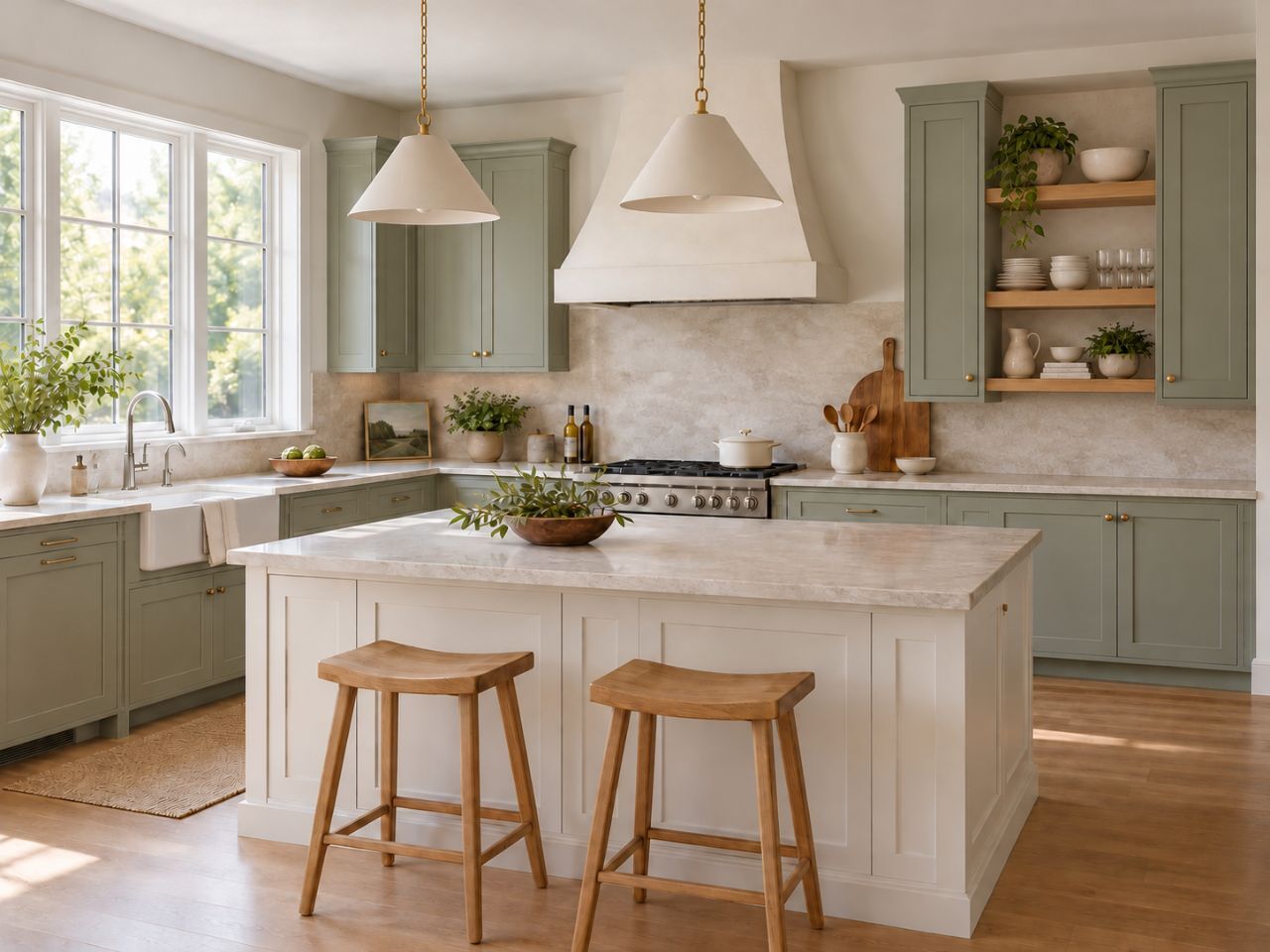
Custom alcove shelves can display cookbooks, ceramics, serving pieces, and attractive kitchen accessories. They are especially useful when you want storage that feels lighter than full-height cabinetry.
Cabinets make more sense for items you prefer to keep protected from dust or hidden from view. In either setting, account for moisture, heat, cleaning requirements, and the intended weight of stored items.
How to Choose the Right Alcove Storage Solution
Before making a decision, evaluate your space and daily habits.
- Measure the alcove. Record the width, height, and depth at multiple points. Older homes may have walls that are not perfectly square.
- Identify your storage priorities. Decide whether you need to display objects, conceal clutter, or accomplish both.
- Check the wall construction. Floating shelves require appropriate structural support and mounting hardware for their intended loads.
- Consider the room's proportions. Open shelving can help narrow spaces feel less enclosed, while cabinets can make use of deeper alcoves.
- Choose complementary materials. Coordinate wood species and finishes with flooring, furniture, trim, or cabinetry.
- Plan for future use. Think about whether your storage needs may change and whether adjustable or additional shelving would help.
Accurate measurements are especially important when ordering custom alcove shelves. Account for trim, baseboards, outlets, nearby doors, and any architectural features that could affect installation.
Can You Combine Custom Alcove Shelves and Built-In Cabinets?
Absolutely. A combination design can provide the best of both solutions.
One popular arrangement places built-in cabinets along the bottom of the alcove and floating wood shelves above. The cabinets conceal less attractive household items, while the shelves provide space for books, artwork, and decorative accessories.
This approach works particularly well in living rooms, home offices, and dining areas. It also allows you to introduce contrasting materials, such as natural wood shelves above painted cabinetry, without sacrificing practical storage.
For a cohesive result, keep shelf spacing consistent, coordinate finishes, and avoid overcrowding the display area.
Which Alcove Storage Option Is Right for Your Home?
When comparing custom alcove shelves vs. built-in cabinets, start with how you want the space to function. Custom floating shelves are an excellent choice for displaying favorite items, maximizing vertical space, and maintaining an open interior. Built-in cabinets are better suited to concealed storage, organization, and keeping everyday clutter out of sight.
If you need both, combining lower cabinets with custom alcove shelving can deliver a practical and attractive solution.
Measure your space, define your storage priorities, and choose materials that complement your home's design. Explore custom floating alcove shelves to find a configuration that makes better use of your wall space while adding lasting character to your interior.
Looking to add custom alcove floating shelves to your home or new build? Contact us today to get started!