
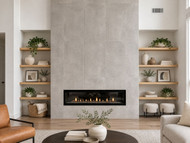
How to Measure an Alcove for Floating Shelves: A Step-by-Step Guide
Posted by Josh Lorg on November 19, 2026
Alcoves are excellent spaces for adding storage, displaying décor, and creating a custom built-in appearance. Whether you're filling an unused wall recess in a living room, adding shelving to a bedroom, or creating functional storage in a home office, floating shelves can transform an alcove into a practical and attractive feature.
However, getting the measurements right is essential, especially when ordering custom alcove floating shelves. Walls are not always perfectly square, and even small measurement differences can affect how a shelf fits between two walls.
Before selecting your wood species, finish, and shelf thickness, take the time to measure the space carefully. This step-by-step guide explains how to measure an alcove for floating shelves, what tools you'll need, and how to avoid common measuring mistakes.
1. Gather the Right Measuring Tools
Before measuring your alcove, gather a few basic tools. Having everything ready makes the process easier and helps improve accuracy.
You'll need:
- Tape measure: Use a quality tape measure that displays measurements in inches and fractions.
- Level: Check whether the floor, ceiling, and surrounding walls are level.
- Pencil: Mark measurement locations and reference points.
- Notepad or phone: Record measurements and take reference photos.
- Straightedge: Help identify uneven walls or variations in the alcove opening.
For wider alcoves, having another person hold the opposite end of the tape measure can make measuring easier.
2. Measure the Width of the Alcove
The width is one of the most important measurements when ordering custom floating shelves. Unlike standard shelves that sit on brackets, wall-to-wall alcove shelves need to fit within the available opening.
Measure the distance between the left and right walls in at least three locations:
- Near the top of the alcove.
- Through the middle of the opening.
- Near the bottom of the alcove.
Record all three measurements rather than assuming the walls are perfectly parallel.
|
Measurement Location |
Example Width |
|
Top of alcove |
36 1/4 inches |
|
Middle of alcove |
36 inches |
|
Bottom of alcove |
35 7/8 inches |
In this example, the alcove is slightly narrower toward the bottom. This difference matters when ordering shelves designed to fit between two walls.
Helpful tip: Don't automatically use the largest measurement. The narrowest measurement is an important starting point for determining the maximum shelf width, but the final shelf dimensions should account for wall irregularities and the installation method.
3. Measure the Depth of the Alcove
Next, determine how far the shelves should extend into the room.
Measure from the back wall of the alcove to the front edge of the surrounding walls. Consider taking measurements on both the left and right sides to identify any differences.
Your ideal shelf depth depends on how you plan to use the space.
For example:
- 6–8 inches: Suitable for small decorative accessories and framed photographs.
- 10–12 inches: Useful for books, small plants, and everyday household items.
- 12–16 inches: Provides additional room for larger decorative objects, storage baskets, and other accessories.
These are general planning ranges, not fixed requirements. Consider the dimensions of the items you intend to display before selecting a shelf depth.
Also, account for the shelf's thickness and how far it will project beyond the alcove walls.
4. Determine the Height and Spacing Between Shelves
If you're installing multiple floating shelves, planning their vertical placement is just as important as measuring the width and depth.
Start by measuring the total height of the alcove, from the floor or intended bottom reference point to the ceiling or upper boundary.
Next, determine how many shelves you want and how much clearance you'll need between them.
Consider the following when planning shelf spacing:
- Books: Allow enough vertical clearance for taller books and easy removal.
- Decorative accessories: Leave room for vases, artwork, and other display pieces.
- Storage baskets: Account for the full height of the baskets.
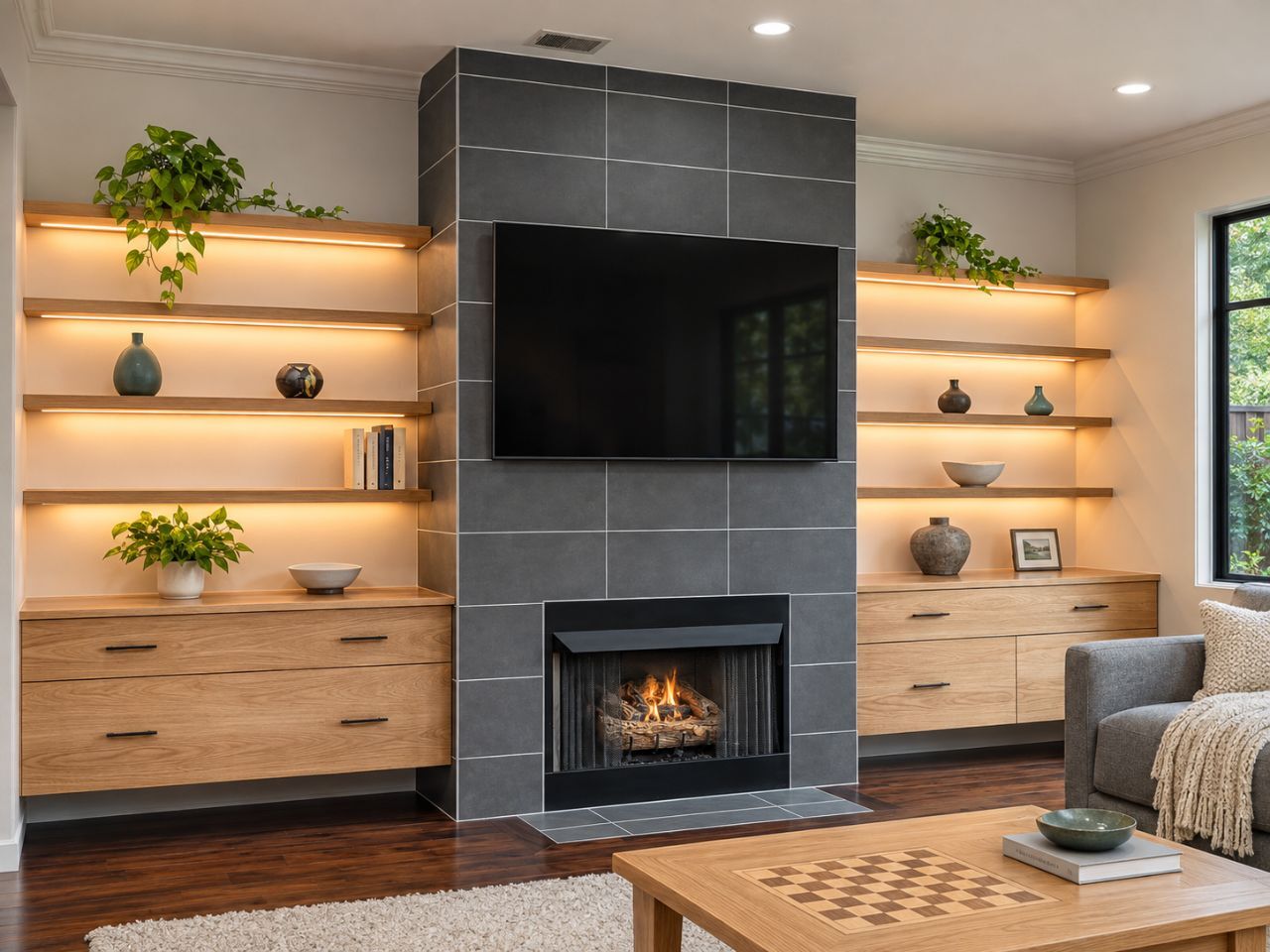
- Lighting: If incorporating illuminated floating shelves, consider the lighting components and wiring requirements.
For example, an alcove measuring 72 inches tall could accommodate three shelves with approximately 18–20 inches of vertical clearance, depending on the thickness of the shelves and the desired placement.
Sketching the layout before ordering helps visualize the finished arrangement.
5. Check for Uneven Walls and Obstructions
Even if your alcove appears square, the walls may not be perfectly straight or parallel. Older homes, remodeling projects, and settling can create small variations that affect shelf installation.
Before finalizing your measurements, inspect the space for:
- Walls that angle inward or outward.
- Uneven drywall or plaster.
- Baseboards or decorative trim.
- Electrical outlets and switches.
- Pipes, vents, or other obstructions.
- Existing wall damage or uneven surfaces.
Use a level to check the surrounding surfaces and compare your measurements across different locations.
If the alcove has significant irregularities, take additional measurements and photos. These details can help determine whether custom adjustments are needed for a proper fit.
6. Record Your Measurements Before Ordering Custom Shelves
Once you've completed your measurements, organize them into a simple reference sheet.
|
Measurement |
What to Record |
Why It Matters |
|
Top width |
Wall-to-wall distance |
Identifies variations in the opening |
|
Middle width |
Wall-to-wall distance |
Helps determine shelf fit |
|
Bottom width |
Wall-to-wall distance |
Identifies the narrowest area |
|
Left depth |
Back wall to front edge |
Determines shelf projection |
|
Right depth |
Back wall to front edge |
Identifies depth differences |
|
Total height |
Floor to ceiling or opening boundary |
Helps plan shelf placement |
|
Shelf spacing |
Distance between planned shelves |
Ensures adequate clearance |
Include the units of measurement and label every measurement clearly. If you're ordering several shelves, create a separate layout showing the intended position of each one.
When ordering custom alcove floating shelves, confirm how the manufacturer accounts for installation clearance, wall irregularities, and mounting hardware. Avoid assuming that the finished shelf should match the exact largest opening measurement.
7. Choose the Right Shelf Style and Thickness
With accurate measurements in hand, you can start selecting the features that will define your finished alcove shelving.
Consider the following options:
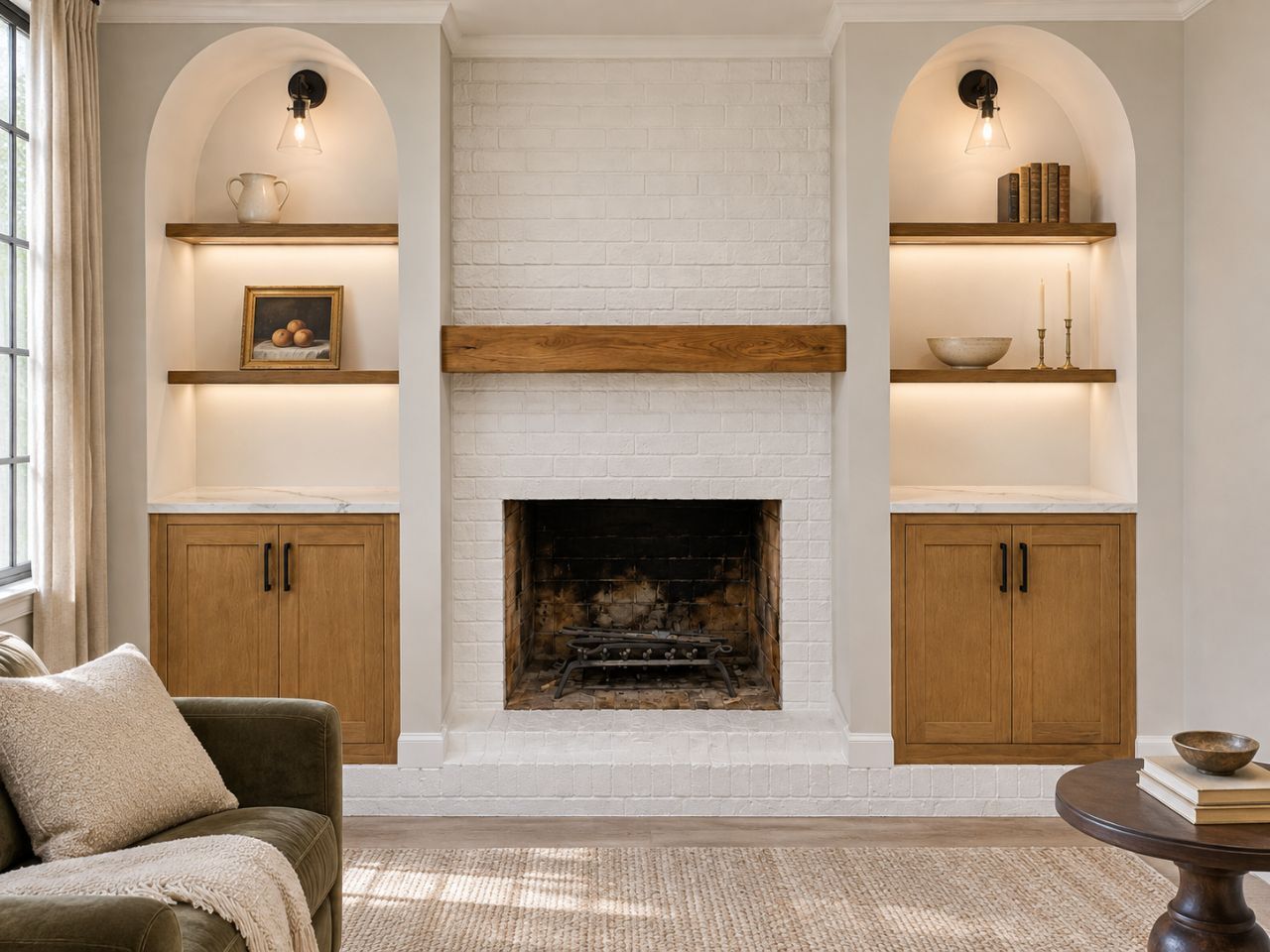
Wood Species: White oak, walnut, maple, alder, and other wood options provide different grain patterns and appearances. Choose a species that complements your existing flooring, cabinetry, and furniture.
Shelf Thickness: Thicker floating shelves create a more substantial architectural appearance, while thinner profiles provide a simpler, understated look.
Finish: Select a stain or clear finish that complements the surrounding room. Unfinished shelves are another option when you want to customize the appearance yourself.
Mounting System: Hidden mounting hardware creates a clean, bracket-free appearance. Make sure the mounting system is appropriate for the shelf dimensions and wall construction.
Custom shelves can be made to accommodate unique alcove dimensions, making them useful for spaces where standard shelf sizes may not provide the desired fit.
Accurate Measurements Make All the Difference
Knowing how to measure an alcove for floating shelves is the first step toward creating a functional, polished shelving arrangement. By measuring the width at multiple points, checking the depth, planning shelf spacing, and identifying uneven walls, you can avoid common installation problems and achieve a more precise fit.
Take your time, record every measurement, and double-check your numbers before ordering. When you're ready to bring your project together, explore custom alcove floating shelves in a variety of wood species, thicknesses, and finishes to create a shelving solution that complements your space.
Looking to add alcove floating shelves to your home or new build? Contact us today to get started!