
Best Floating Stair Tread Designs for Small Spaces in 2026
Posted by Josh Lorg on Mar 6th 2026
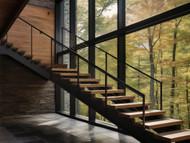
Designing stairs for a small home or tight layout can be challenging. Traditional staircases often feel bulky and take over a room, especially when square footage is limited. That is why floating stair treads continue to be one of the most popular staircase solutions in 2026. By removing risers and visible supports, floating stair treads create a clean, open look that helps small spaces feel larger, brighter, and more modern.
Floating stair treads work especially well in compact homes because they allow light to pass through the staircase. Instead of acting like a wall, the stairs become a design feature that blends into the space. When paired with the right wood type and thickness, floating treads can balance style, comfort, and function without overwhelming the room.
Below are some of the best floating stair tread design options for small spaces in 2026, focusing on simple, solid-wood tread styles that suit modern living.
Light-Toned Floating Stair Treads
Light-colored wood remains a top choice for small spaces. Floating stair treads made from lighter hardwoods help reflect natural and artificial light, which makes staircases feel less intrusive.
Woods like maple are especially popular in compact homes. Their subtle grain patterns and soft tones create a smooth, clean look that does not visually crowd the space. Light-toned floating treads are ideal for staircases placed near windows, entryways, or open-concept living areas where brightness is key.
In 2026, homeowners continue to favor light finishes because they pair well with neutral walls, glass railings, and minimalist interiors.
Classic Oak Floating Stair Treads
Oak floating stair treads offer a balance between warmth and simplicity. While oak has a more visible grain than maple or ash, it still works well in small spaces when used in a floating design.
The natural warmth of oak adds character without making the staircase feel heavy. Floating oak treads work particularly well in homes that mix modern and traditional elements. They provide enough texture to stand out while still keeping the staircase open and visually light.
For small spaces, oak treads are often paired with slim metal brackets or hidden mounting systems to maintain the floating effect.
White Oak Floating Stair Treads
White oak floating stair treads are a popular option in 2026 because of their versatility. Their neutral tone falls between light and dark, making them easy to match with a wide range of flooring and finishes.
In small spaces, white oak offers just enough contrast to define the staircase without dominating the room. Its tighter grain pattern also keeps the look clean and uncluttered. White oak treads work especially well in homes with modern, transitional, or Scandinavian-inspired designs.
When space is limited, keeping the stair design simple allows the wood itself to provide the visual interest.
Thick Floating Stair Treads for a Bold Look
Even in small spaces, thicker floating stair treads can work beautifully when designed correctly. Thick treads create a strong, solid appearance that adds confidence to the staircase while still maintaining an open feel.
The key is balance. Thick floating treads look best when paired with minimal railings and open risers. This combination keeps the staircase from feeling too heavy and preserves the sense of openness that floating designs are known for.
In 2026, thick floating treads are often used as a statement feature, especially in homes where the staircase is visible from multiple rooms.
Wide Floating Stair Treads for Visual Flow
Wider floating stair treads are another smart choice for small spaces. While it may seem counterintuitive, wider treads can actually make a staircase feel calmer and more streamlined.
By extending the width slightly, the stair run creates longer horizontal lines, which helps guide the eye upward smoothly. This reduces visual clutter and makes the staircase feel more intentional rather than cramped.
Wide floating treads work best in simple layouts where the focus is on clean lines and consistent spacing.
Choosing the Right Floating Stair Tread for Small Spaces
When selecting floating stair treads for a small area, a few basic design principles make a big difference:
- Stick to simple wood tones: Lighter or neutral woods keep the space open and bright.
- Avoid heavy detailing: Simple grain patterns and clean edges prevent visual overload.
- Balance thickness and openness: Thicker treads can work, but only when paired with minimal supports.
- Let light pass through: Open risers are essential for maintaining an airy feel.
Floating stair treads are as much about what you remove as what you add. By eliminating bulky elements, you give the space room to breathe.
The Best Staircase Solutions for Small Spaces
Floating stair treads remain one of the best staircase solutions for small spaces. Whether you choose light maple, classic oak, refined white oak, or a thicker tread profile, floating designs help maximize visual space without sacrificing style or strength.
With the right wood choice and a clean, simple layout, floating stair treads can transform a compact staircase into a modern design feature that enhances the entire home.
Looking to add floating stair treads to your home? Contact us today to get started!